Featured
Things about Private The Emotional Aftermath of Debt: Int...
What Does Mandatory Records When Pursuing Debt Forgivenes...
Excitement About Understanding Various Relief Programs Av...
Everything about Measures You Can Take Following Debt Forgiveness
Table of Contents
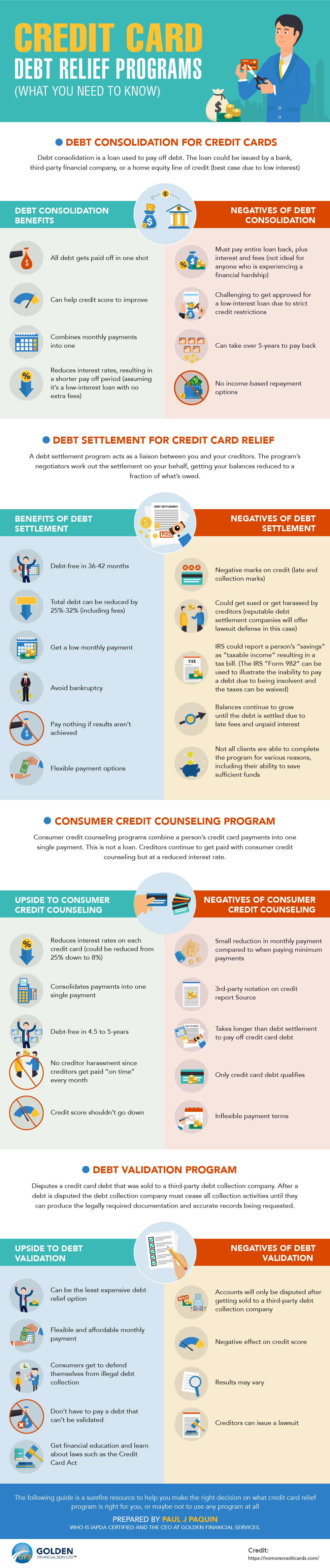
That liberates cash in the short-term, and you might have 3 to four years to save towards the settlement quantity. Very dangerous to credit report, mostly because of missed out on payments and an unfavorable "cleared up" mark that could stay on your credit rating report for approximately 7 yearsMay be just choice if other alternatives (financial obligation consolidation, equilibrium transfer bank card, financial debt forgiveness) aren't possibleTypically needs a cost to the 3rd event, which could counter some or all of the cost savings from debt settlementMay assist you stay clear of personal bankruptcy if you have actually missed a number of paymentsNot all lenders deal with debt negotiation business Financial debt mercy might be right for you if you are experiencing a monetary difficulty that makes it almost difficult to pay down your financial debt balances.
With a DMP, you make one regular monthly repayment to the credit history counseling firm. Those funds are after that distributed to financial institutions of your unprotected financial obligations, such as charge card and installment financings. The agency functions with your financial institutions to decrease rate of interest or forgo charges, but some lenders may refuse such concessions.
It can assist you pay down financial obligation if you're able to protect a funding rate that's reduced than the ordinary price of the accounts you're consolidating. You need to avoid from racking up financial obligation on those newly cleared accounts or your debt can expand even greater.

That provides you plenty of time to eliminate or significantly minimize your equilibrium while making interest-free repayments.
Fascination About Chapter 7 Fundamentals Before Filing
You may need it if your financial institution or a collection company ever before tries to accumulate on the financial debt in the future. When a loan provider forgives $600 or more, they are needed to send you Kind 1099-C.
Financial debt mercy or negotiation usually harms your debt. Anytime you work out a financial obligation for much less than you owe, it may appear as "settled" on your debt report and influence your credit report for seven years from the day of settlement. Your credit history can also go down significantly in the months resulting in the forgiveness if you fall back on repayments.
Excitement About Consumer Rights Under Bankruptcy Law
This circumstance commonly results from underreporting income, not filing returns on time, or inconsistencies located during an Internal revenue service audit. The effects of collecting tax obligation financial debt are significant and can include tax obligation liens, which give the IRS a legal case to your residential or commercial property as security for the financial obligation.
Higher rate of interest on offered credit report. Earnings and Bank Accounts IRS can impose (confiscate) incomes and bank accounts to satisfy the financial debt. Lowered revenue and disturbance of necessary monetary procedures. Home Seizure In severe situations, the IRS can take and market residential property to cover the debt. Loss of valuable possessions and possible variation.
Social Preconception Dealing with legal action from the IRS can bring social preconception. Work Opportunities A poor debt score due to tire financial debt can limit employment possibilities. Federal government Advantages Tax obligation debt might influence qualification for federal government benefits, such as Social Safety And Security and Medicaid.
Get This Report about The Advantages to Consider of Bankruptcy
The OIC thinks about numerous elements, including the taxpayer's revenue, expenditures, property equity, and capacity to pay. Effectively negotiating an OIC can be complicated, calling for a detailed understanding of the IRS's guidelines and a strong argument for why your offer aligns with your capability to pay. It is essential to note that not all applications are approved, and the process calls for detailed economic disclosure.
The internal revenue service evaluates your overall financial scenario, including your income, costs, asset equity, and capacity to pay. You need to also be existing with all filing and settlement requirements and not remain in an open insolvency proceeding. The IRS also considers your conformity background, reviewing whether you have a record of prompt declaring and paying taxes in previous years.
5 Simple Techniques For Compliance Aspects Regarding Debt Forgiveness
The application procedure for an Offer in Compromise involves numerous detailed steps. First, you should finish and submit internal revenue service Form 656, the Offer in Concession application, and Form 433-A (OIC), a collection information statement for individuals. These types call for detailed monetary information, including information regarding your revenue, financial obligations, expenses, and possessions.
Back tax obligations, which are overdue tax obligations from previous years, can significantly increase your complete internal revenue service financial obligation if not attended to quickly. This financial obligation can build up rate of interest and late payment penalties, making the initial amount owed much bigger in time. Failure to repay taxes can lead to the internal revenue service taking enforcement activities, such as providing a tax lien or levy against your residential or commercial property.
It is important to deal with back taxes asap, either by paying the total owed or by organizing a repayment plan with the internal revenue service. By taking aggressive steps, you can prevent the buildup of added interest and fines, and protect against much more hostile collection actions by the IRS.
One common reason is the idea that the taxpayer can pay the complete amount either as a round figure or through a layaway plan. The internal revenue service likewise thinks about the taxpayer's income, expenditures, property equity, and future earning capacity. If these aspects indicate that the taxpayer can pay for to pay more than the used quantity, the IRS is most likely to reject the deal.
All about Developing Your Journey to Relief
It is vital to offer accurate and complete info in your application and to speak with a tax professional to enhance the chances of acceptance. Dealing with IRS financial debt can be intricate and overwhelming. Tax specialists, such as Certified public accountants, tax lawyers, or enrolled representatives, can offer vital assistance. They have the competence to navigate the ins and outs of tax obligation regulation and IRS procedures.

Table of Contents
Latest Posts

Things about Private The Emotional Aftermath of Debt: Integrating Mental Health into Financial Counseling Programs Reviewed

What Does Mandatory Records When Pursuing Debt Forgiveness Mean?

Excitement About Understanding Various Relief Programs Available Today
More
Latest Posts
Things about Private The Emotional Aftermath of Debt: Integrating Mental Health into Financial Counseling Programs Reviewed
What Does Mandatory Records When Pursuing Debt Forgiveness Mean?
Excitement About Understanding Various Relief Programs Available Today